How to remove Skin tags : Effective methods, causes and home remedies
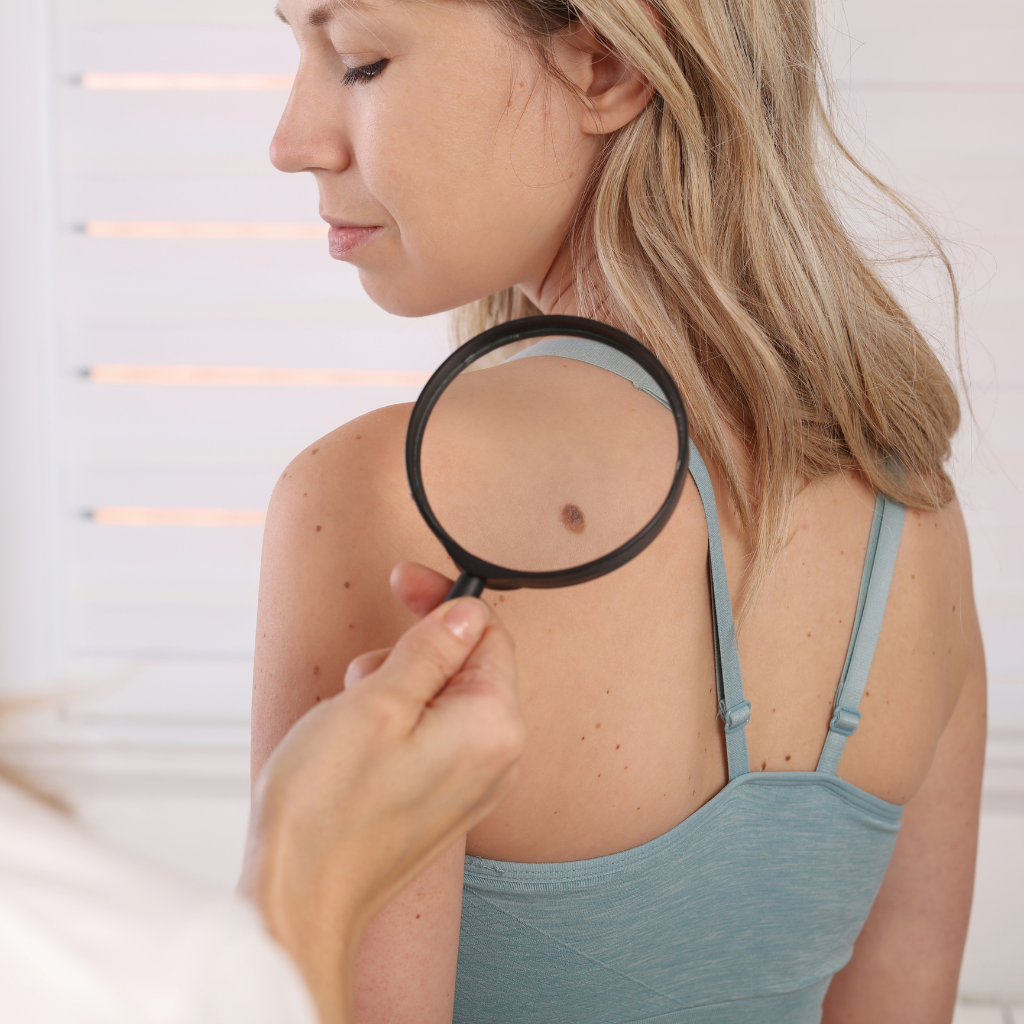
Quick Removal Decision Guide:
☑ Small tag (rice grain size) in accessible spot → Try tea tree oil or apple cider vinegar
☑ Large tag (pencil eraser or bigger) → See dermatologist for excision
☑ Multiple tags or visible location (face/neck) → Professional cryotherapy or electrocautery
☑ Tag near eyes or genitals → Never attempt DIY, see dermatologist
☑ Have diabetes or take blood thinners → Professional removal only
☑ Bleeding, color changes, or rapid growth → Medical evaluation immediately
Small, soft bumps hanging from your neck, underarms, or eyelids? Those are probably skin tags. About half of all adults develop at least one during their lifetime, and while they're completely harmless, they have a way of showing up in the most inconvenient places—snagging on necklaces, getting caught on clothing, or simply bothering you every time you look in the mirror.
The frustrating part isn't that they're dangerous (they're not). It's that once you notice one, you can't stop noticing it. And depending on where it's located, that constant awareness can range from mildly annoying to genuinely uncomfortable.
You have real options for getting rid of them. Some work faster than others. Some you can do yourself at home for under Rs.100. Others require a quick doctor's visit but guarantee results. The right choice depends on the size of your skin tag, where it's located, and how quickly you want it gone.
Before jumping into removal, though, it helps to understand what you're actually dealing with and why these things keep appearing in the first place.
What Skin Tags Actually Are
Skin tags—technically called acrochordons—are little pouches of skin containing collagen fibers and blood vessels. They dangle from your skin on a thin stalk, which is why they look and feel different from flat moles or rough warts.
Most are tiny, about the size of a grain of rice. Some grow larger—up to half an inch or more—particularly in areas where they're constantly irritated. They're usually flesh-colored, though they can appear darker depending on your skin tone.
Here's what matters: they're benign. They won't spread to other parts of your body. They don't become cancerous. They're just there, being annoying.
That said, if you notice a growth that's bleeding on its own, changing colors rapidly, or growing noticeably week by week, get it checked. Those aren't typical skin tag behaviors, and you'll want to rule out other conditions.
Why Skin Tags Form (and Why You Keep Getting Them)
Friction is the main trigger. Your skin rubs against itself or clothing constantly in certain areas—neck, armpits, groin, eyelids, beneath breasts. That ongoing irritation causes cells to overproduce in small localized spots, creating these little outgrowths.
But friction alone doesn't explain why some people develop dozens of skin tags while others never get a single one. Several factors stack the deck:
Body Weight and Skin Folds
More skin folds mean more friction zones. People carrying extra weight tend to develop more skin tags, though plenty of thin people get them too. It's about the number of places where skin rubs consistently, not just overall size.
Your Genetics
If your parents had skin tags, you probably will too. The tendency runs in families strongly enough that dermatologists often ask about family history when examining them.
Hormonal Shifts
Pregnant women frequently develop skin tags during the second and third trimesters. The hormonal changes happening in pregnancy seem to trigger their formation, particularly around the neck and underarms. Many disappear on their own after delivery, though not always.
Insulin Resistance and Blood Sugar
People with type 2 diabetes or prediabetes develop skin tags at higher rates. Elevated insulin levels appear to stimulate growth factors that encourage skin cells to multiply abnormally. If you're suddenly developing multiple skin tags without clear cause, it's worth checking your blood sugar levels.
Aging and Skin Elasticity
Your skin loses elasticity as you get older. The collagen changes and reduced firmness that come with age create more opportunities for skin tags to form. They're far more common after 40 than before.
The most common spots? Neck (where necklaces and collars create constant friction), armpits (from arm movement and clothing seams), groin (from skin folds and underwear), eyelids (all that blinking adds up), and under the breasts (where bras create pressure points all day).
Home Remedies That Actually Work
If a skin tag is small, easy to reach, and located away from sensitive areas, certain home approaches may be suitable. These options work gradually—over weeks rather than days—and are low-cost. For anyone who prefers guidance or has concerns, professional evaluation remains an option to ensure the most appropriate approach.
Tea Tree Oil Application
Tea tree oil dries out skin tags through its natural antifungal and mild caustic properties. Soak a cotton ball in pure tea tree oil, squeeze out excess liquid, and tape it directly onto the skin tag with a bandage. Leave it on overnight.
Do this every night for 2-3 weeks. The skin tag will darken, shrivel, and eventually fall off. If your skin gets irritated, try applying petroleum jelly around (not on) the tag to protect the surrounding area.
Test the oil on your inner arm first. Some people react badly to tea tree oil, developing rashes or burning sensations. If that happens within 24 hours, this method isn't for you.
Apple Cider Vinegar Method
The acetic acid in apple cider vinegar breaks down skin tag tissue gradually. Clean the area, soak a small piece of cotton in the vinegar, place it on the tag, and secure it with a bandage overnight.
Within a few days, the tag should start darkening. It typically falls off in 1-2 weeks. Larger tags take longer—sometimes up to a month. The skin around the tag may get slightly red or irritated. That's normal unless it becomes painful or starts spreading.
Real-world example: Priya had three small neck tags from her gold chain. She applied apple cider vinegar nightly for 10 days. Two fell off completely, one required an extra week.
This works better than tea tree oil for some people, worse for others. There's no way to predict which camp you'll fall into except by trying it.
Vitamin E Oil Treatment
Vitamin E is the gentlest option. Break open a capsule, apply the oil to the tag twice daily, and cover with a small bandage. Results take 3-4 weeks or longer.
The success rate is lower than tea tree oil or vinegar, but vitamin E won't irritate your skin. If you're treating a tag on your face or neck where skin sensitivity is higher, this might be worth the extra patience.
The Thread Method (Use with Caution)
For very small tags with a thin stalk, you can tie dental floss tightly around the base. This cuts off blood supply. The tag dies and falls off within a week.
This method hurts. Not unbearably, but expect discomfort when you tie it and possibly throbbing for the first day. If the tag is larger than a grain of rice, don't attempt this—you risk significant bleeding. Never do this near your eyes or anywhere you can't see clearly what you're doing.
Honestly? Most people who try this wish they'd chosen a different method. The pain-to-benefit ratio isn't great.
Over-the-Counter Removal Kits
Pharmacies sell skin tag removal products with applicators designed to target just the tag. Most contain salicylic acid or tea tree oil in concentrations meant to work faster than DIY methods.
Follow the package directions exactly. These products (Rs.500-1,200) offer convenience and slightly more controlled application than cotton balls and tape, but they're not dramatically more effective than pure tea tree oil or vinegar.
What Not to Do at Home
Don't cut or tear off a skin tag yourself, even if it seems barely attached. The bleeding can be significant, and you risk infection and scarring. Don't use home remedies on large tags (bigger than a pencil eraser), tags near your eyes, or anywhere you can't clearly see what you're doing.
If you have diabetes or circulation problems, skip home removal entirely. Your healing process is different, and the infection risk isn't worth it.
Professional Removal: Faster and More Reliable
Dermatologists can remove skin tags in minutes using methods that leave minimal scarring. If you have multiple tags, they're large, or they're in visible spots where you don't want to risk DIY scarring, professional removal makes sense.
Cryotherapy (Freezing)
The dermatologist applies liquid nitrogen to freeze the skin tag for a few seconds. It feels intensely cold and stings briefly, but the discomfort ends when they stop. The frozen tag falls off within 7-10 days.
This works well for small to medium tags and rarely scars. Most people describe the sensation as a sharp cold followed by mild throbbing that fades within minutes. If you've ever had a wart frozen off, it's the same process.
Real-world example: Rajesh had seven small tags under his arms from years of gym workouts. One 20-minute dermatology appointment with cryotherapy removed all seven. All tags fell off within 10 days with no scarring.
Excision (Surgical Cutting)
The dermatologist numbs the area with lidocaine, then snips the tag off at its base with surgical scissors or a scalpel. You feel the injection but nothing after that. The actual cutting takes seconds per tag.
Bleeding is minimal—usually just a small bandage for a few hours. Larger tags might need a stitch or two, but most don't. The area heals within 1-2 weeks with barely visible scarring when done properly.
This is the fastest method with the highest success rate. If you want guaranteed removal in one visit, excision is your best bet.
Electrocauterization (Burning)
An electrical current burns off the skin tag while simultaneously cauterizing blood vessels to prevent bleeding. The dermatologist numbs the area first, applies the device for a few seconds, and the tag is gone.
This works particularly well if you're on blood thinners or have multiple small tags to remove in one session. The treated area scabs over and heals within 1-2 weeks.
You'll smell something unpleasant for a moment when they do this—burning tissue has a distinctive odor. Fair warning.

Skin Tag Removal Methods Compared
Method | Pain Level | Success Rate | Time to Results | Scar Risk | Best For |
Tea Tree Oil | Low | Medium (60-70%) | 2-3 weeks | Low | Tiny tags, budget removal |
Apple Cider Vinegar | Mild | Medium (65-75%) | 1-2 weeks | Low | DIY removal, small tags |
Vitamin E Oil | None | Low (40-50%) | 3-4 weeks | None | Sensitive facial skin |
OTC Removal Kits | Mild | Medium (65-70%) | 1-3 weeks | Low | Convenience seekers |
Cryotherapy (Freezing) | Moderate | High (90-95%) | 7-10 days | Very low | Multiple small tags |
Excision (Cutting) | None (numbed) | Very high (98-100%) | Immediate | Very low | Large tags, guaranteed results |
Electrocautery (Burning) | None (numbed) | Very high (95-98%) | Immediate | Minimal | Blood thinners, precision |
Home methods make financial sense if you have one or two small tags and don't mind waiting. Professional removal makes sense when you want certainty, have multiple tags, or the location is visible enough that you don't want to risk suboptimal results.
What Professional Removal Actually Costs
Most dermatologists charge per tag for the first few, then reduce the per-unit price for additional removals during the same appointment.
Insurance coverage depends on whether the tags are causing functional problems. If they're bleeding from friction, getting caught on clothing regularly, or interfering with vision (for eyelid tags), insurance often covers removal. If they're just cosmetically annoying, you're paying out of pocket.
Home remedies cost Rs.80-1,200 total and can treat multiple tags, making them the clear winner for budget-conscious removal—if you're willing to wait and accept that they might not work.
For comprehensive skin health and professional treatment options, explore advanced skin treatments available at specialized clinics.
Reducing Future Skin Tags
You can't prevent them entirely, but you can lower the odds.
Minimize friction by wearing looser clothing in problem areas. If bra straps, collars, or tight seams repeatedly rub the same spot—especially where skin tan or pigmentation is more noticeable—adjust the fit or switch styles. Small daily changes that reduce friction can make a long-term difference.
Lose excess weight if you're carrying it. Even a reduction of around 4.5–7 kilograms can noticeably reduce skin folds and friction-prone areas. This isn't about vanity—it's about reducing the mechanical triggers that cause skin tags.
Keep friction zones dry. Moisture trapped in skin folds makes friction worse. Dry thoroughly after showering, especially in summer. Absorbent powder helps in the groin and under-breast areas if you sweat heavily.
Manage blood sugar. If you have diabetes or prediabetes, keeping glucose levels controlled appears to reduce skin tag formation. Work with your doctor on optimizing your treatment plan.
Clean skin folds regularly. Buildup of dead skin cells and oils increases irritation. Gentle daily cleansing of high-friction areas helps keep the skin environment less conducive to tag formation.
Maintaining healthy skin through proper daily skincare routines can also help minimize skin tag formation by keeping friction zones clean and well-moisturized.
When to Skip DIY and See a Doctor
Get a professional evaluation if your skin tag bleeds without being irritated by clothing, changes color within days or weeks, grows visibly larger in a short time, becomes painful without obvious cause, or looks different from other skin tags you've had.
Also see a dermatologist before attempting removal if you have diabetes, take blood thinners, notice multiple tags appearing suddenly, or aren't completely sure the growth is actually a skin tag.
Warts can look similar. So can certain moles. In rare cases, what looks like a skin tag is actually a different skin condition that requires proper diagnosis. When you're uncertain, twenty minutes with a dermatologist beats weeks of treating the wrong thing.
For expert evaluation and personalized treatment plans, schedule a dermatology consultation to discuss your specific skin concerns.
Aftercare That Prevents Problems
Clean the area once or twice daily with mild soap and water. Apply a thin layer of antibiotic ointment and cover with a small bandage for the first 3-5 days. Change the bandage daily.
Normal healing looks like this: slight redness for a few days, minor scabbing that gradually shrinks, and complete healing within 1-2 weeks. Don't pick at scabs—you'll increase scarring risk.
Warning signs that need medical attention: redness that spreads or intensifies after day three, swelling that worsens, pus or yellow discharge, red streaks extending from the treated spot, or fever.
Avoid makeup, perfume, or harsh skincare products on the area until it's fully healed. If the tag was on your neck, skip necklaces for a week or two.
Why They Come Back (and What That Means)
Removing a skin tag doesn't prevent new ones from forming. If you're genetically prone to them, or if friction and insulin resistance remain factors in your life, new tags will likely appear over time.
This doesn't mean removal failed. Each skin tag is a separate occurrence. There are no "roots" that regrow. The conditions that created the first one can create more—that's all.
Some people remove skin tags once and never deal with them again. Others find they're removing a few new ones every couple of years. It varies widely based on genetics, weight changes, hormonal shifts, and how much friction your skin experiences daily.
Focus on the prevention strategies that make sense for your situation. Even partial success—developing three new tags instead of ten—makes a meaningful difference in how often you're dealing with this issue.
Frequently Asked Questions About Skin Tag Removal
Can skin tags interfere with skincare or shaving routines?
Yes. Skin tags often complicate shaving, grooming, and skincare application, increasing the risk of accidental cuts or irritation—one of the common reasons people choose removal.
Does skin tag removal hurt?
Professional removal with numbing causes no pain during the procedure. Cryotherapy causes a brief stinging cold but no lasting pain. Home remedies like tea tree oil and vinegar are painless, though surrounding skin may feel mildly irritated. The thread method hurts when tied and may throb for a day.
Is there a best age to remove skin tags?
There’s no “right” age. Skin tags can be removed at any stage if they cause discomfort, irritation, or cosmetic concern, as long as the individual is otherwise suitable for the procedure.
Can skin tags appear suddenly in clusters?
Yes. Skin tags can sometimes appear in clusters, especially in high-friction areas or during hormonal changes. Multiple new tags developing quickly may warrant a medical evaluation.
What's the fastest way to remove a skin tag?
Excision (surgical cutting) by a dermatologist is the fastest method. The tag is removed immediately during the appointment, with numbing so you feel nothing. Results are instant, with healing complete in 1-2 weeks. For home methods, apple cider vinegar is fastest at 1-2 weeks.
Are skin tags dangerous or a sign of cancer?
No. Skin tags are benign growths that never become cancerous. However, if a growth bleeds spontaneously, changes color rapidly, or grows quickly, see a doctor to rule out other conditions. Multiple sudden skin tags can sometimes indicate insulin resistance or diabetes worth checking.
Can skin tags change colour over time?
Yes. Skin tags may darken if twisted, irritated, or if blood supply is reduced. Sudden colour changes without friction should be evaluated to rule out other skin conditions.
Skin Tag Myths vs. Facts
Myth: Skin tags are contagious and can spread to others.
Fact: Skin tags are not contagious. They're benign growths caused by friction, genetics, and other internal factors. You can't catch them from someone else, and they won't spread through contact.
Myth: Cutting off a skin tag at home is safe if you sterilize scissors.
Fact: Never cut skin tags yourself, even with sterilized tools. They have blood vessels that can bleed significantly. Infection risk is high, and scarring is likely. Professional excision uses proper numbing, sterile technique, and bleeding control.
Myth: Skin tags indicate poor hygiene or health.
Fact: Skin tags have nothing to do with cleanliness. They're primarily genetic and related to friction, hormones, and insulin levels. Perfectly healthy people with excellent hygiene routinely develop skin tags.
Myth: Skin tags only occur in older people.
Fact: Skin tags can appear at any age, including in young adults, especially in areas of repeated friction.
Making the Right Removal Decision
Skin tags may be medically insignificant, but their day-to-day impact is anything but. They catch on clothing, interfere with grooming, and draw your attention far more often than you’d like. Over time, what starts as a small, harmless growth becomes a constant source of irritation.
The reassuring part is that skin tags are highly manageable. Smaller, uncomplicated tags can sometimes be addressed at home with consistency and care. For quicker results—or for tags that are larger, darker, or located in sensitive areas—clinical removal offers a more predictable and controlled outcome.
The right solution depends on how quickly you want results, how comfortable you are with self-treatment, and where the skin tag is located. When there’s uncertainty—about whether it’s truly a skin tag, how best to remove it, or whether it needs evaluation—professional guidance removes the guesswork. Since your skin is something you live with every day, choosing a safe and informed approach is always worth it.
Need professional guidance? Expert dermatologists can evaluate your skin tags and recommend the most effective removal method for your situation. Book a consultation at Tune Aesthetics to discuss personalized treatment options.
Whether you choose DIY methods or professional treatment, taking action is better than living with the daily annoyance. Your skin, your choice, your timeline.